Heavy Duty Brake Pads — China Factory-Direct Guide
Technical buyer's guide to heavy duty brake pads for commercial vehicles: materials, test evidence, applications, inspection checkpoints, and China factory-direct procurement guidance — China Factory-Direct Guide.
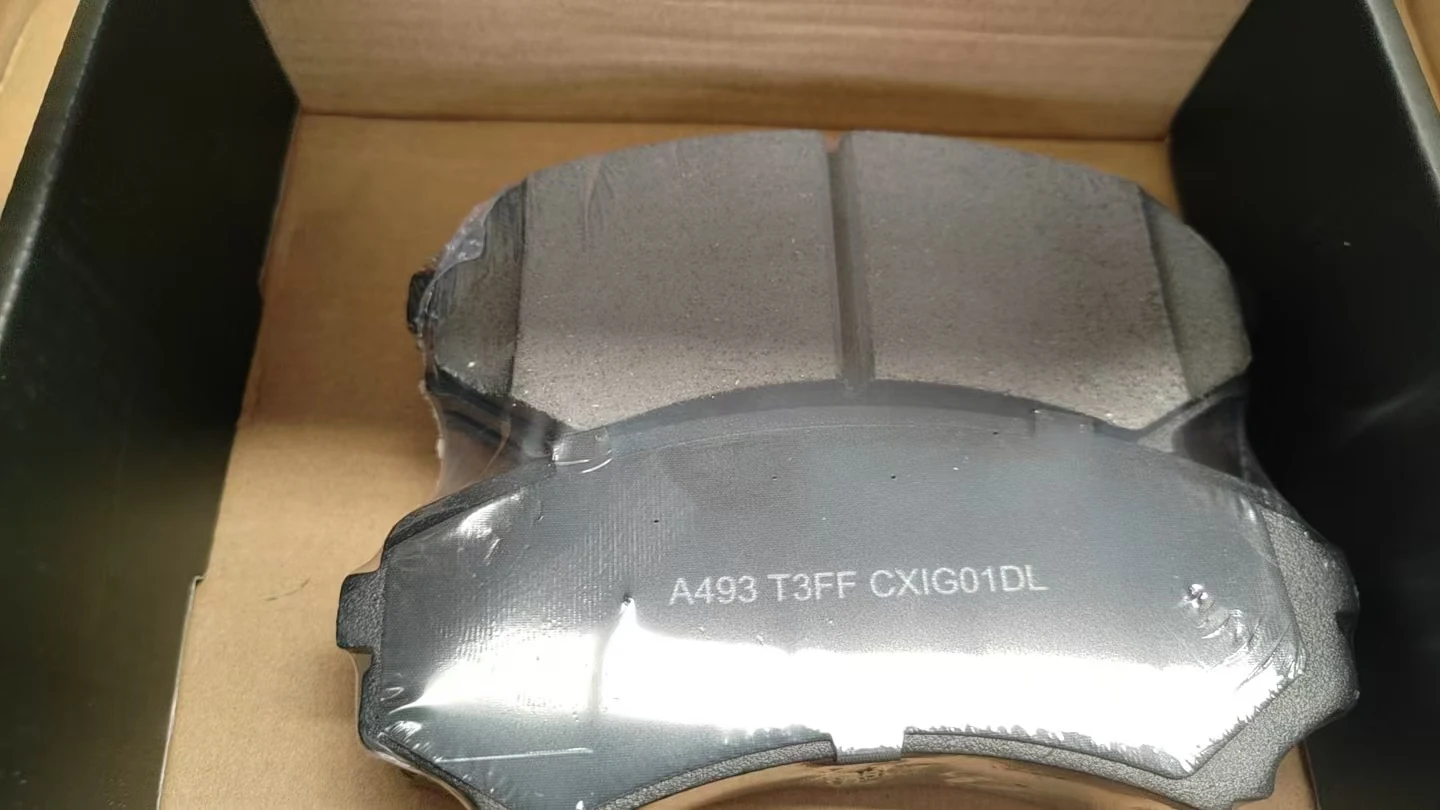
Quick Summary: Heavy duty brake pads for commercial vehicles are engineered friction assemblies selected by material (semi-metallic, ceramic, NAO, low‑metallic) and backing/plate design to match duty cycle, heat load and regulatory fitment. Specify OEM fitment, friction test reports, and batch traceability before purchase. For bulk fleet procurement and commercial distribution, sourcing factory-direct container shipments from certified Chinese manufacturers provides 30–40% landed cost savings with full export compliance.
What professional buyers need to know about commercial brake pads
Heavy duty brake pads are friction modules designed for larger curb weights, higher gross vehicle combinations, and frequent high‑energy braking. For commercial fleets and aftermarket distributors, the primary buyer decisions are: correct fitment (shape, thickness, chamfering), friction material selection for the duty cycle, thermal and wear behaviour under load, and verifiable supplier quality systems and test evidence.
Common friction materials and when to use them
- Semi‑metallic: Robust for high heat and heavy towing; generally higher wear on rotors but strong fade resistance—commonly chosen for heavy trucks and trailers with heavy braking cycles.
- Ceramic/ceramic‑enhanced: Quieter and cleaner (less dust); suitable for urban buses and refrigerated trucks prioritizing low noise and rotor preservation.
- Low‑metallic / NAO (non‑asbestos organic): Tuned for moderate loads where squeal and cost control are priorities; check thermal capability for the intended route profile.
Exact material formulations vary by supplier. Request material data sheets and friction coefficient test results for the temperature range relevant to your operation.
Performance and inspection criteria for procurement
When evaluating quotes and samples, use the following inspection and test evidence checklist to reduce commercial risk:
- OEM fitment drawings and dimensional verification (profile, hole pattern, pad thickness).
- Friction test reports showing dynamic/static coefficient of friction across temperature bands and fade/recovery cycles.
- Wear rate and rotor compatibility statements from the supplier or independent lab.
- Batch traceability and heat‑lot marking for recall management.
- Material Safety Data Sheet (SDS) and evidence of compliance with applicable chemical regulations (e.g., REACH restrictions where applicable).
- Factory quality system evidence (ISO 9001 or equivalent) and production control procedures.
Practical on‑site inspection and sample testing
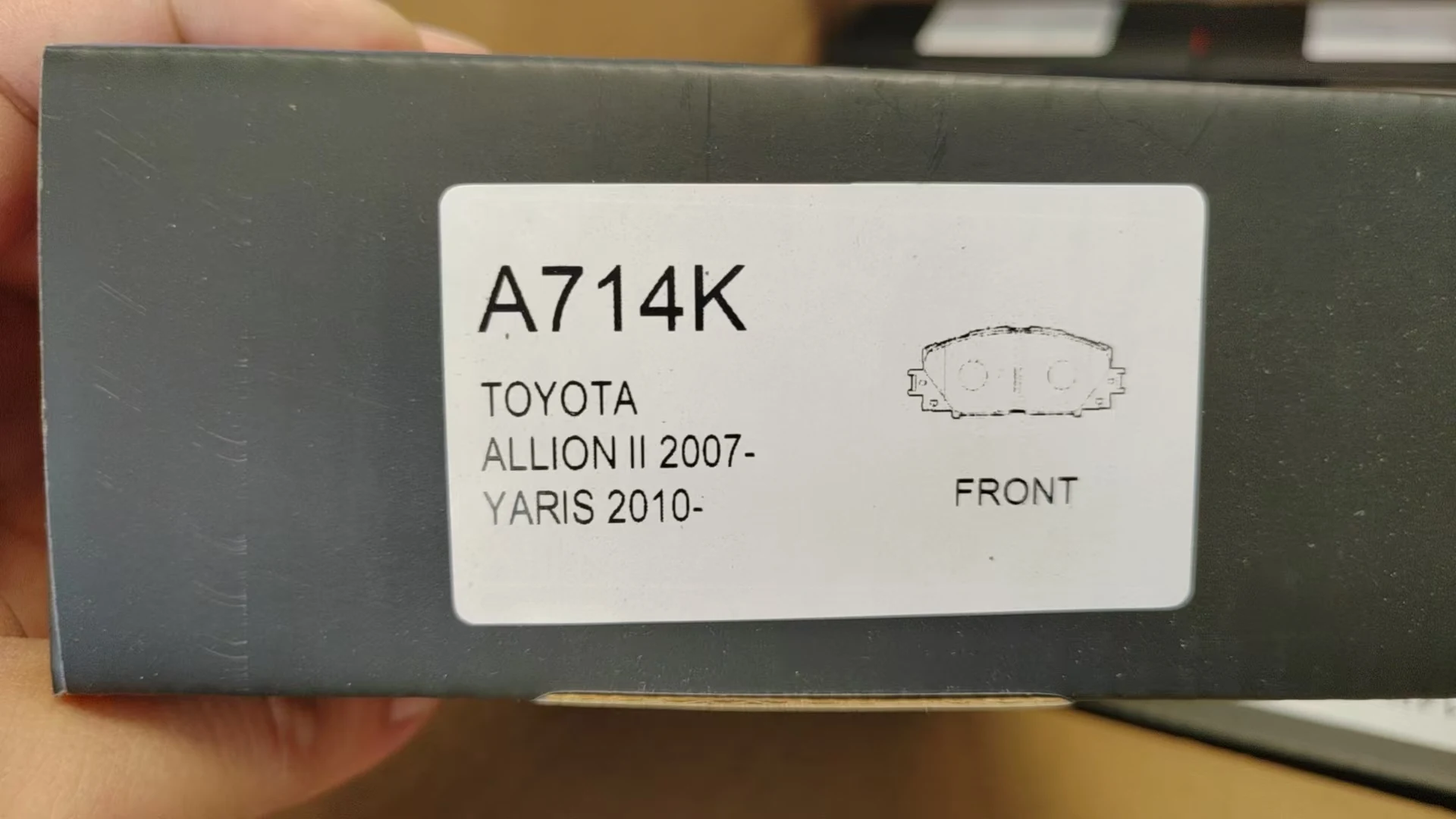
For commercial procurement, require a production sample run and conduct these checks before bulk orders: dimensional metrology, static clamp fitment, bench friction testing (if your facility has test rigs), and a small on‑vehicle validation sequence under representative loads. For mixed‑fleet purchasers, a structured field evaluation plan (e.g., 2–5 vehicles per fleet type) will show real-world wear patterns and noise behaviour.
Comparison: buyer evaluation criteria for heavy duty brake pads
| Criteria | What to request from supplier | Buyer decision guidance |
|---|---|---|
| Material type | Detailed formulation class (semi‑metallic, ceramic, NAO, low‑metallic) | Match to duty cycle: high heat = semi‑metallic; noise‑sensitive urban use = ceramic. |
| Friction performance | Test report with friction coefficient at multiple temperatures and fade/recovery data | Prefer independent lab data or OEM‑protocol results; ask suppliers for raw test logs. |
| Wear and rotor impact | Longitudinal wear rate and rotor wear statements or test data | Balance pad life vs rotor cost — request comparative wear curves. |
| Dimensional fit | CAD drawing, sample check, and tolerance table | Critical — confirm first article inspection (FAI) before full production. |
| Quality & traceability | Factory QA certificates, batch coding methods, and inspection plans | Require batch traceability for fleet maintenance records. |
| Regulatory & compliance | SDS, RoHS/REACH declarations, and any regional homologation (e.g., ECE R90 where applicable) | Confirm applicable regulations for your market and request supporting documents. |
| Price & lead time | Itemised quote with MOQ, lead time, and sample terms | Negotiate mixed‑container options for multiple SKUs to optimize landed cost. |
Sourcing heavy duty brake pads from China: Quality Standards, MOQ & Container Logistics
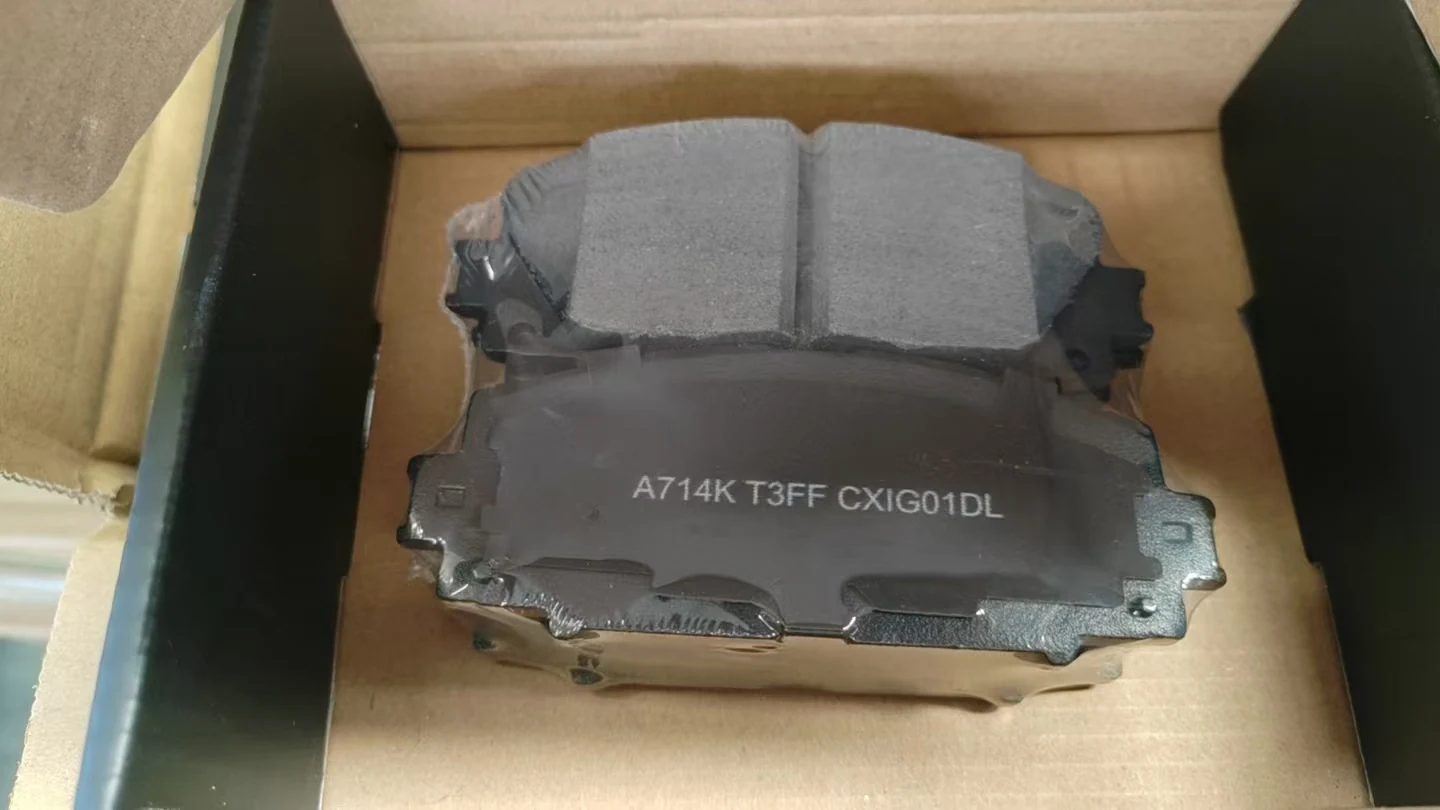
When buying factory‑direct from China, specify the documentation you require with RFQs: factory quality certificates (ISO 9001), SDS, batch traceability procedures, material and friction test reports, first article inspection (FAI) results, and any regional homologation documents relevant to the destination market (for example ECE R90 for EU replacement pads). For U.S. operations, clarify applicability of FMVSS or state regulations and request written confirmation from suppliers.
MOQ and mixed‑container options: many manufacturers accept container mixes (LCL or mixed FCL consolidation) once SKUs and tooling are confirmed. Typical commercial practice is to set MOQ per SKU for production efficiency; buyers should request explicit MOQ per SKU and ask about mixed‑SKU container packing to optimize inventory. Confirm packing lists and palletisation standards before shipment.
Export lead times and port terms: manufacturing lead times vary with complexity and order size; a practical procurement plan asks suppliers for confirmed lead times in writing (production start date, inspection window, and factory release). Sea transit depends on routing—typical transit windows for East Asia to the U.S. vary by port and service; confirm if the supplier will deliver Ex‑Works, FOB (example ports: Qingdao or Ningbo), or CIF/DDP, and specify the named port in contracts. Always request a proforma with shipping terms and estimated shipment dates.
Supplier evaluation and contract essentials
Contractually require acceptance criteria, sample sign‑off, warranty terms for manufacturing defects, and a clear nonconformance process. Include agreed inspection points (incoming inspection, pre‑shipment inspection), and define remedies for failed batches. Where possible, include right of audit and third‑party oversight for high‑value contracts.
Conclusion and next steps
For commercial fleets and distributors, heavy duty brake pad procurement should be structured around fitment verification, friction test evidence, and documented factory quality controls. Start with sample validation and a short pilot fleet program before scaling to container orders. When you have target SKUs and annual volumes, request detailed RFQs including FAI, batch traceability, and port/term quotations to compare landed cost.
To begin, prepare a purchase specification (profile drawing, material class, target performance bands, and required documents) and request written quotes from shortlisted manufacturers. Consider arranging a factory audit or third‑party inspection for your initial container order.
Next step: compile your technical specification and RFQ checklist, then request samples and certified test reports from shortlisted suppliers to begin a formal evaluation.
Discuss your brake parts program
Share your OE references, quantities, destination market and packaging requirements for a factory review.
Request a quotation
Connect with our export team
Scan or use the channels below for product and quotation support.